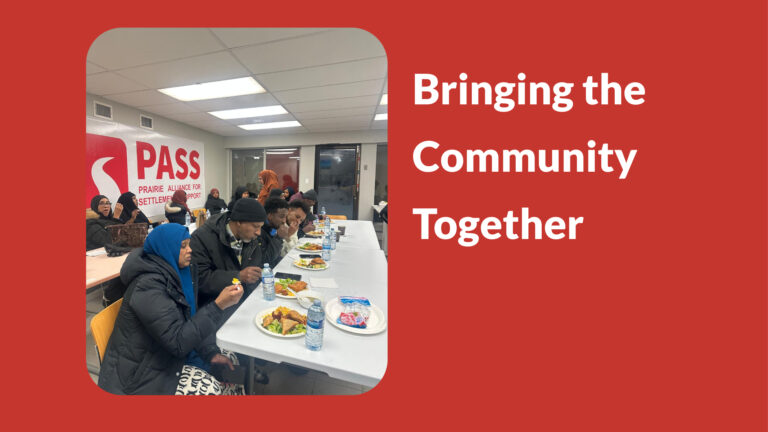
Winter in Edmonton is more than a season. It is a test of infrastructure, preparedness, and neighborly responsibility.
For seniors, people with disabilities, and newcomers adjusting to their first Canadian winter, snow is not simply an inconvenience. It can become a barrier to mobility, safety, and social connection.
This winter, PASS (Prairie Alliance for Settlement & Support), in partnership with the City of Edmonton, launched Winter Together in Northwest Edmonton, a community-centered initiative combining education, volunteer mobilization, and public awareness around snow removal and winter safety.
But beyond the visible impact of cleared sidewalks and driveways, the initiative revealed something deeper.
Winter Safety Is Also Social Infrastructure
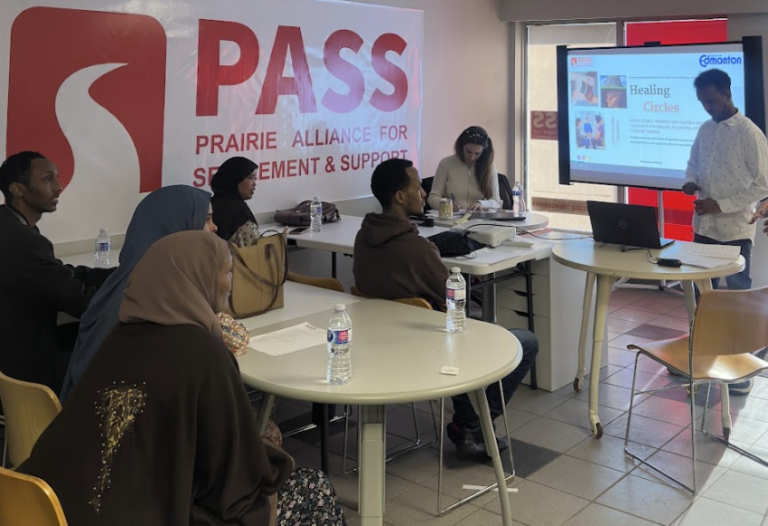
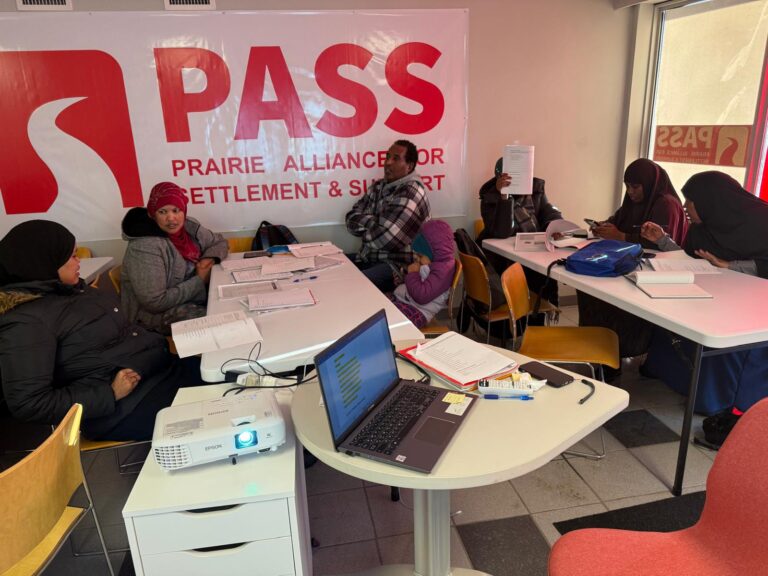
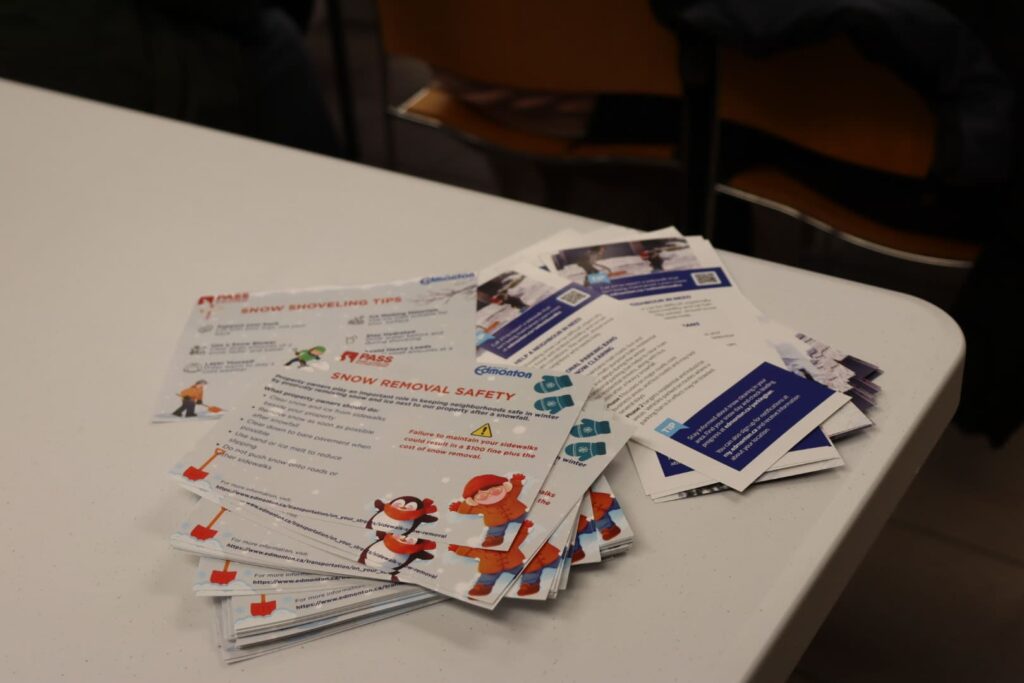
Through workshops on safe snow shoveling, bylaw awareness, and extreme cold preparedness, residents gained practical knowledge. Yet what stood out most was how education translated into action.
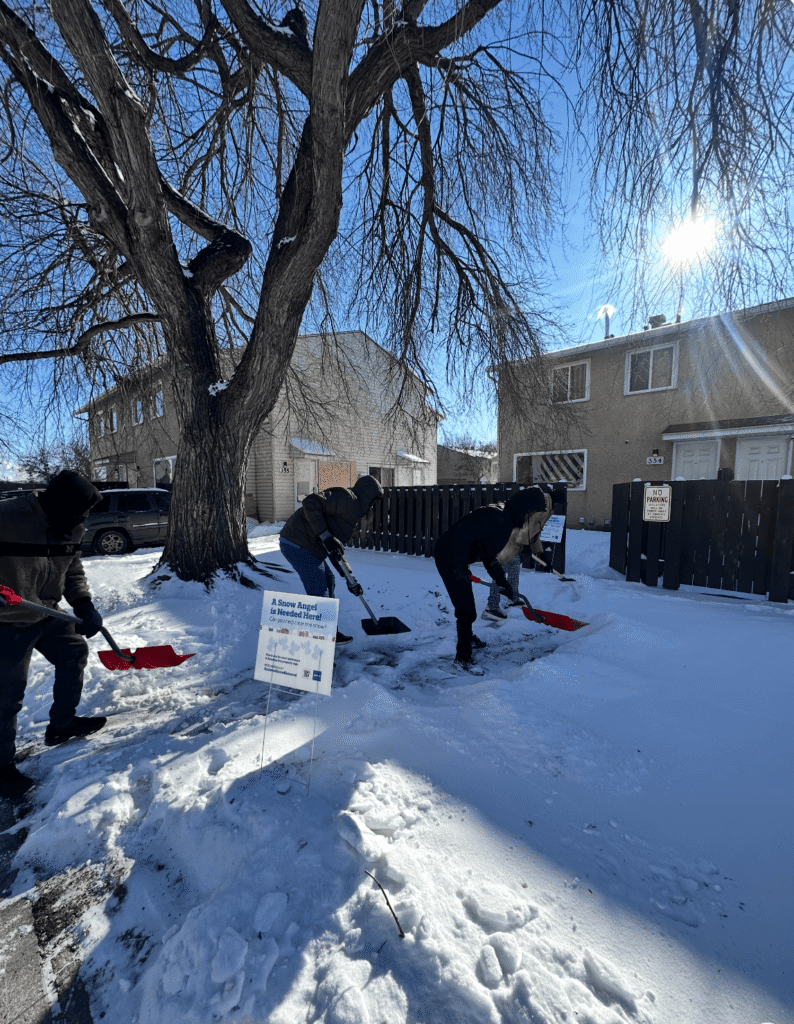
Children and youth volunteered alongside adults. Neighbors supported households that had not formally requested assistance. In several instances, homeowners expressed genuine surprise when volunteers arrived; a reminder that isolation during winter is often silent.
Winter Together demonstrated that winter resilience is not only about equipment and municipal systems. It is also about social infrastructure: trust, dignity, and shared responsibility.
The Snow Angel Effect
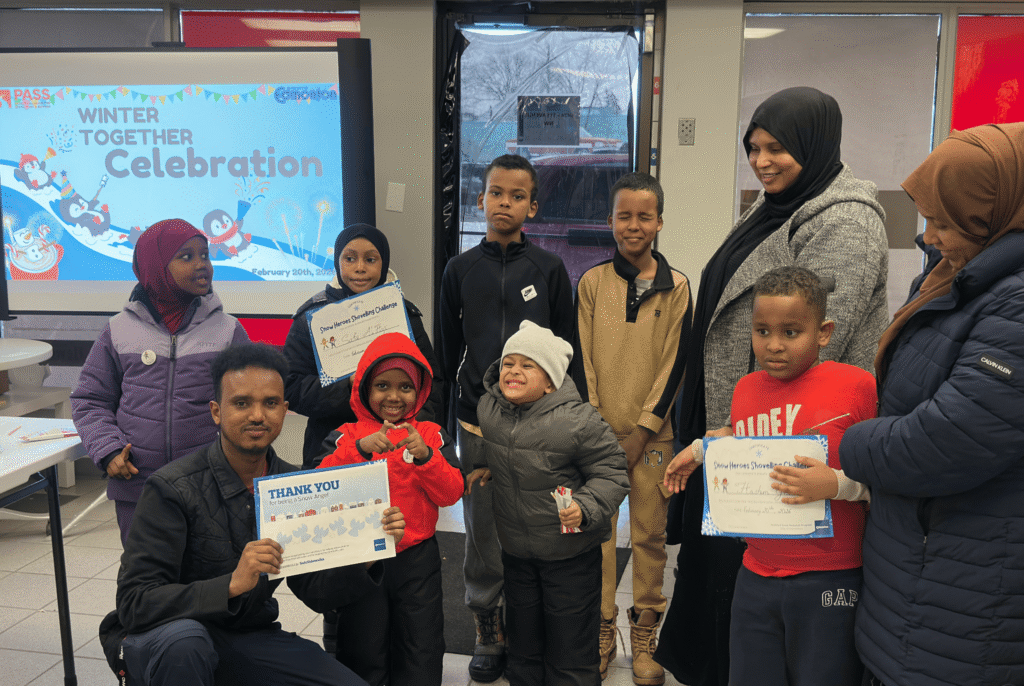
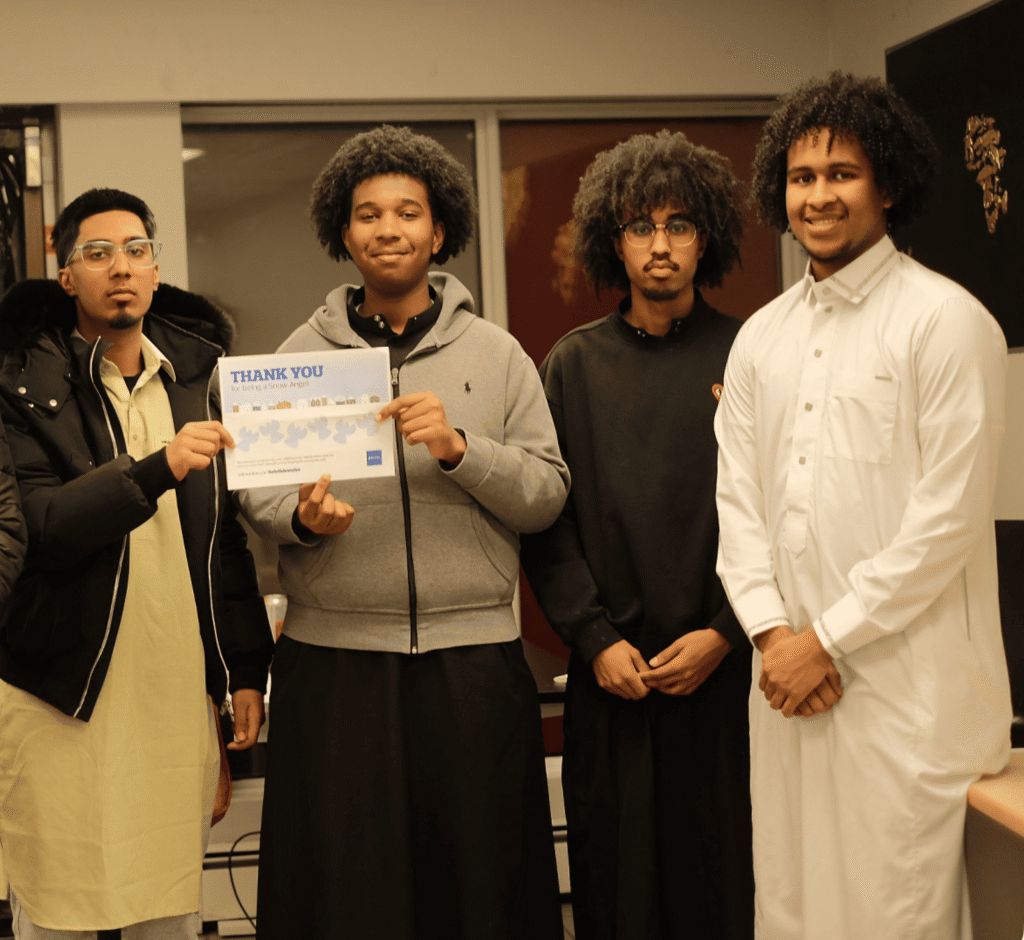
The Snow Angel initiative recognized around 20 volunteers who stepped forward to assist seniors and residents facing mobility challenges. The recognition component was intentionally modest: certificates, gift cards, small tokens of appreciation, and public acknowledgment.
What mattered more was the signal: civic care is valued.
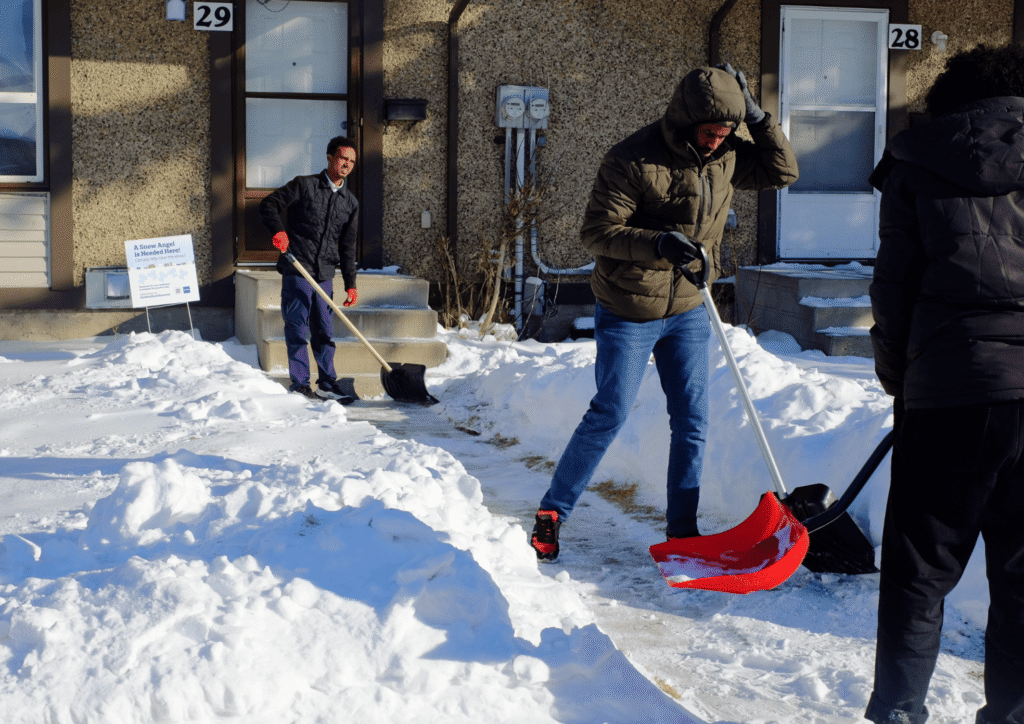
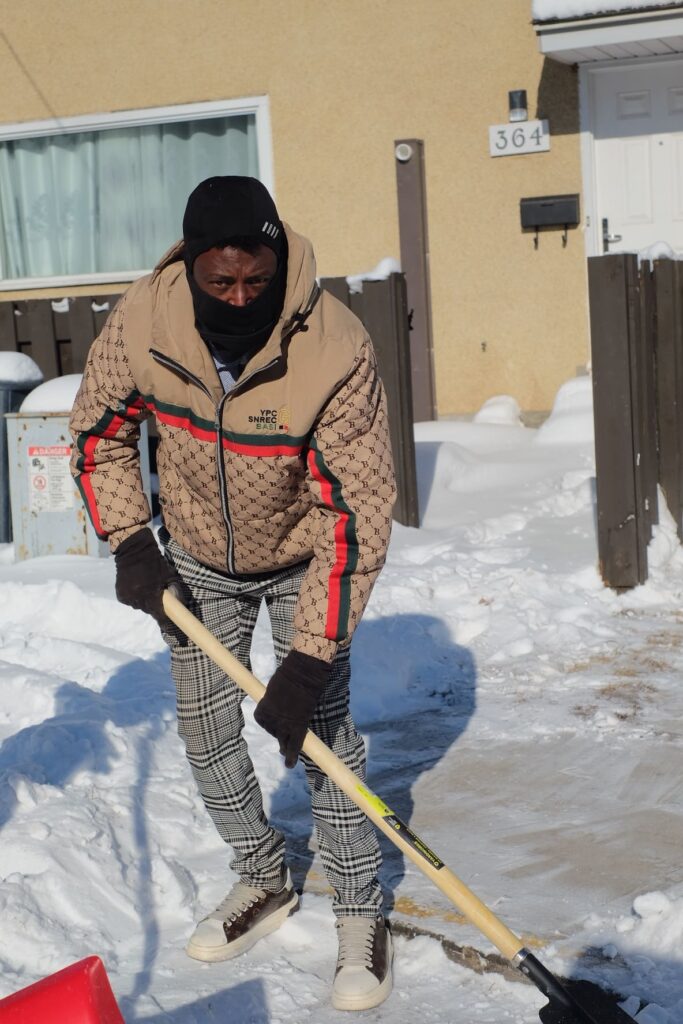
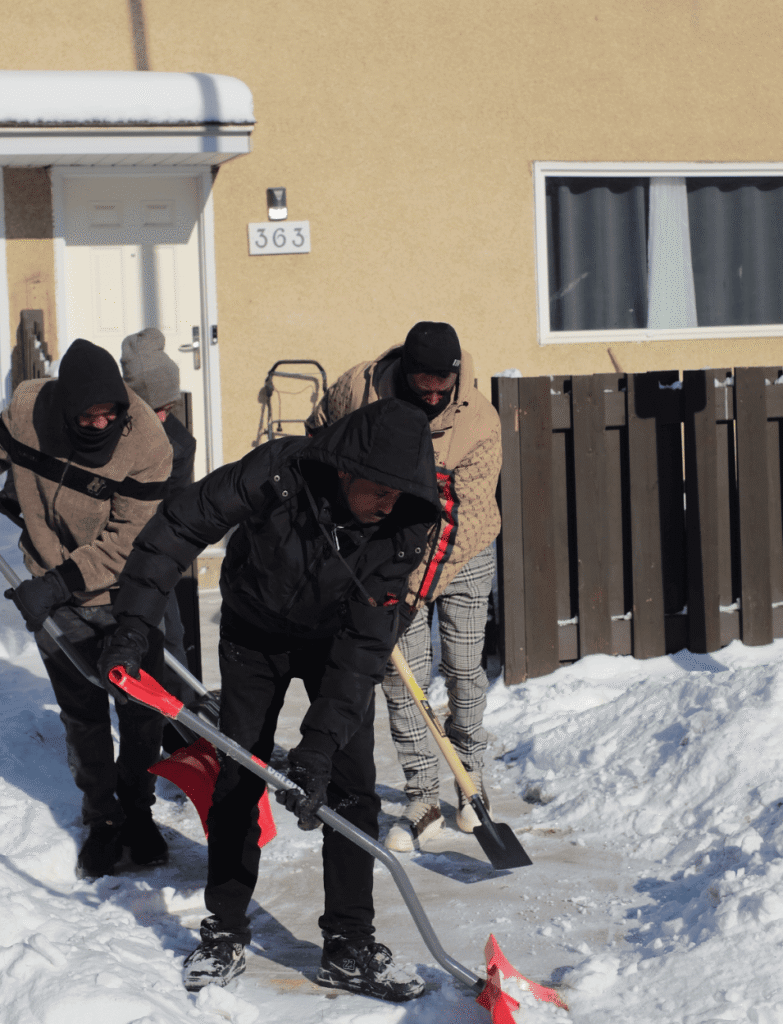
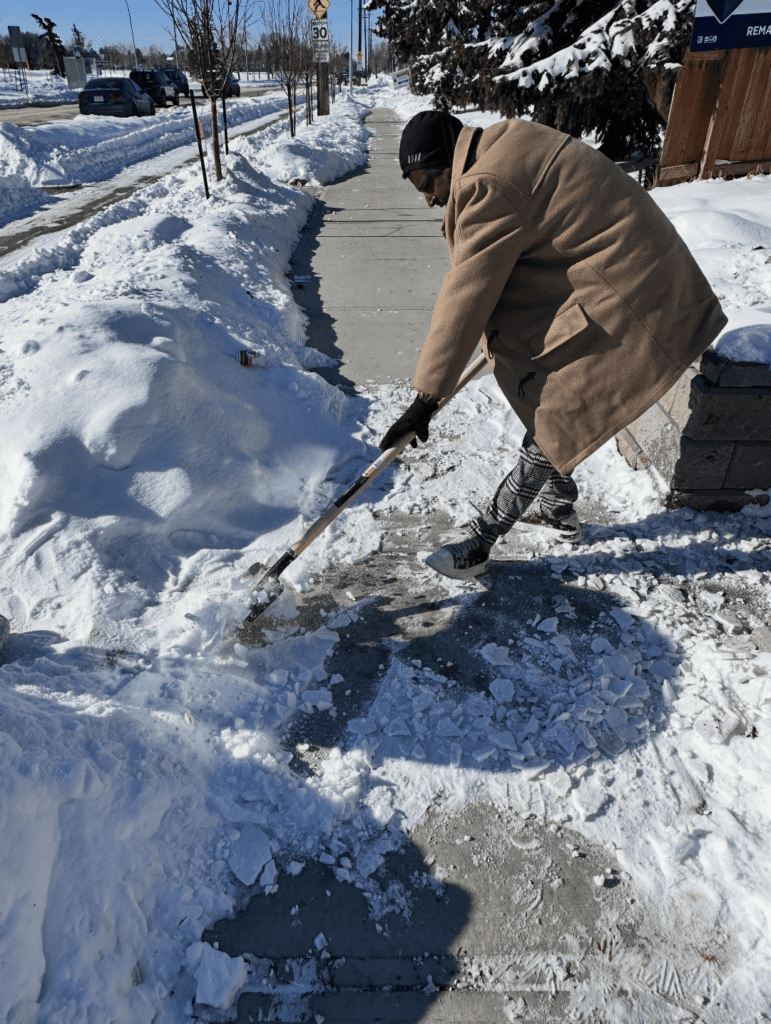
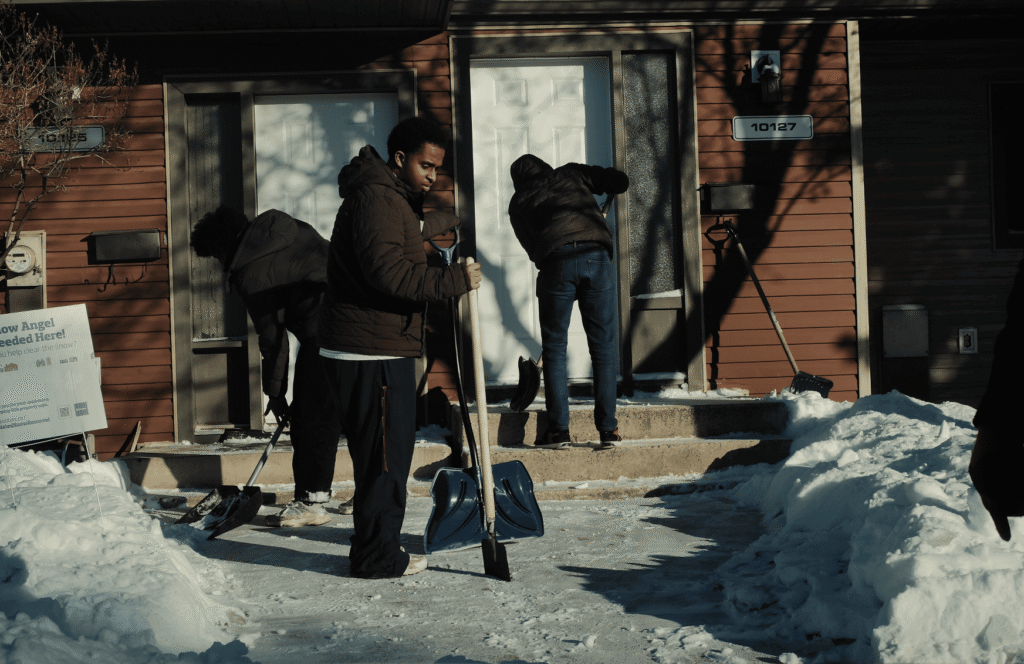
The program showed that recognition reinforces behaviour. When communities see volunteerism celebrated, participation grows. Acts of care become normalized rather than exceptional.
Youth Engagement as Civic Learning
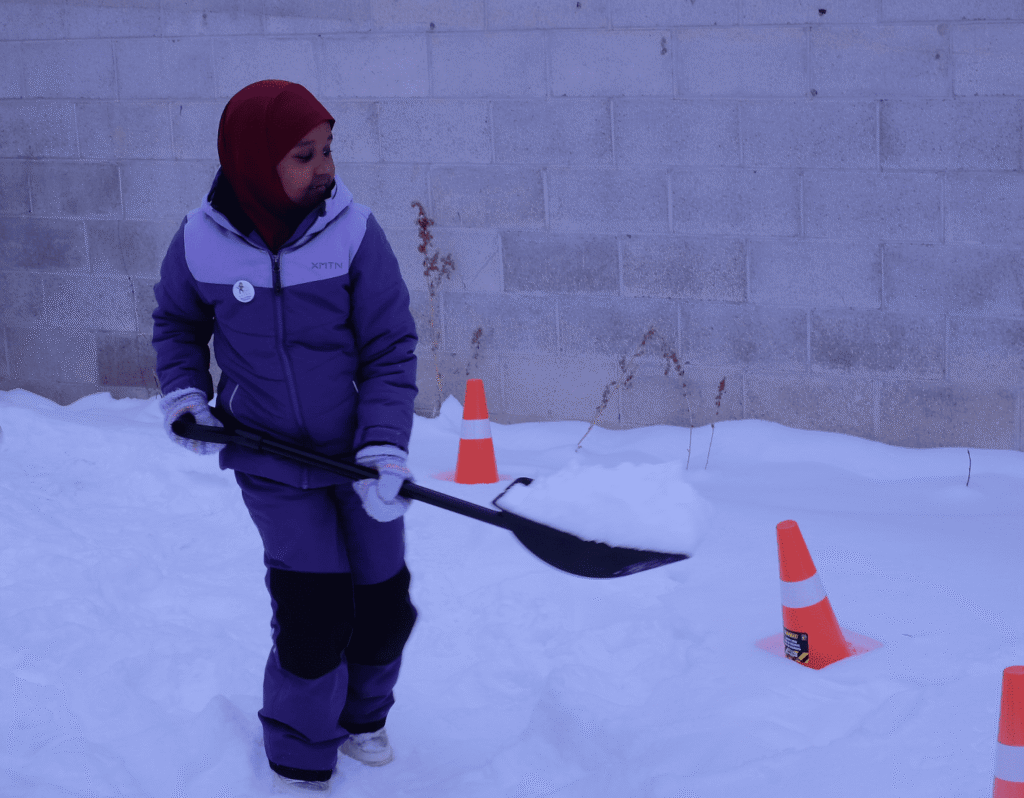
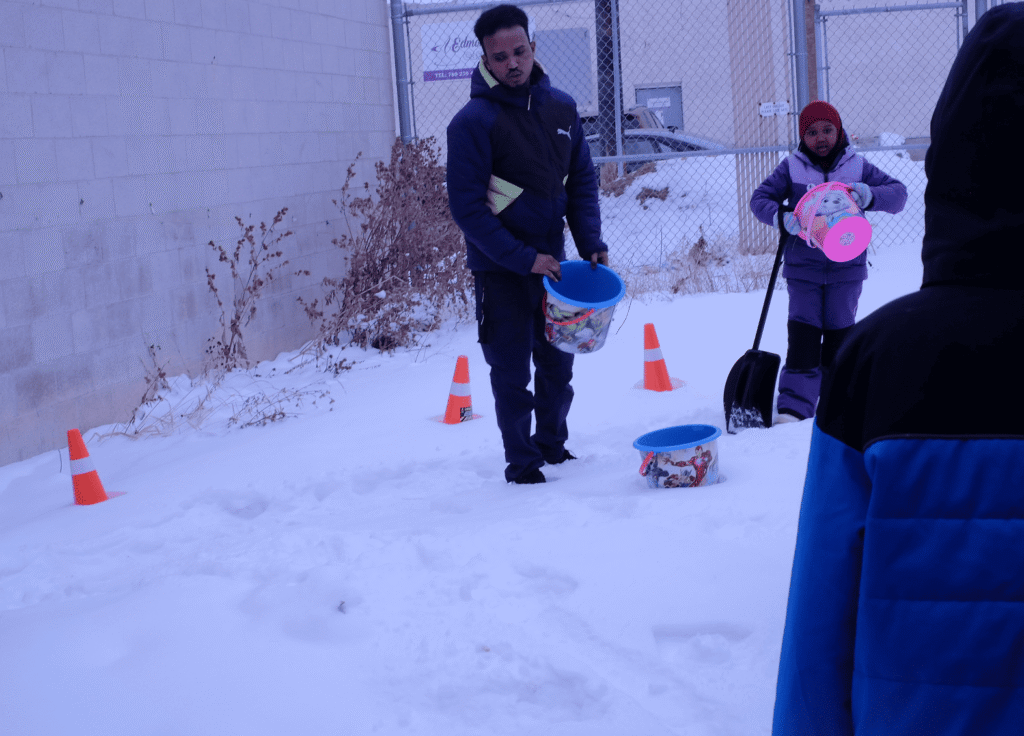
One of the most encouraging outcomes was youth participation. Children who engaged in snow removal efforts were not simply helping; they were practicing civic responsibility in real time.
Programs like Winter Together provide a practical, intergenerational model of citizenship; one that complements formal education and strengthens long-term community belonging.
A Replicable Neighbourhood Model
Winter Together was intentionally local, focused on Northwest Edmonton. Its scale allowed for relationship-building and responsiveness.
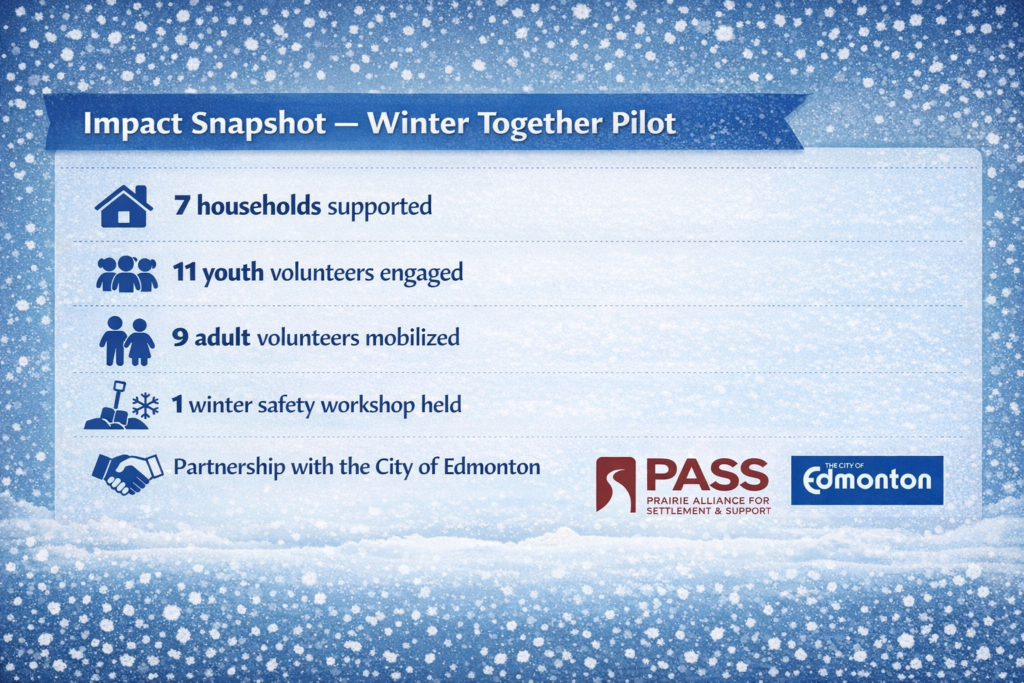
The initiative suggests that:
- Micro-neighborhood volunteer mobilization is effective.
- Education combined with recognition increases participation.
- Winter safety efforts can double as inclusion strategies for newcomers.
- Partnerships between community organizations and the City amplify reach and trust.
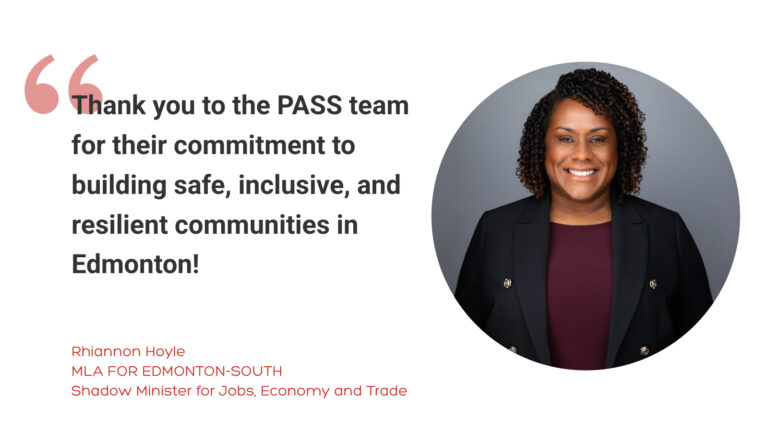
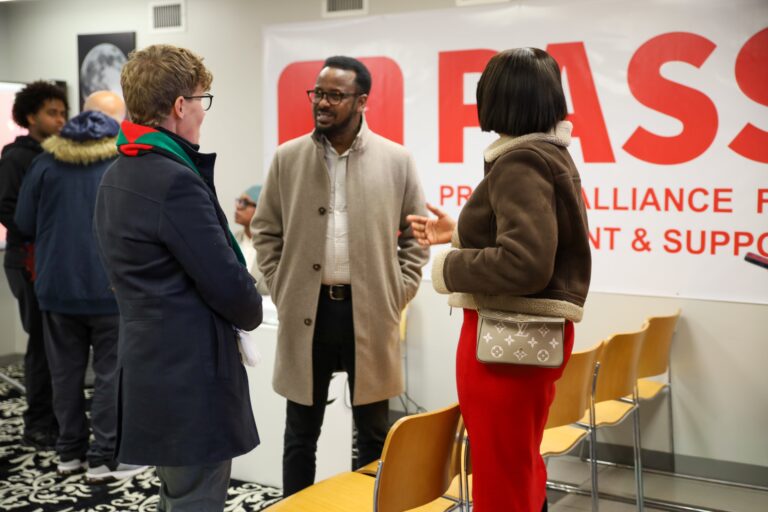
Winter Together would not be possible without collaboration. PASS is grateful for the partnership and support of the City of Edmonton in strengthening neighborhood-level engagement and promoting safe winter practices. Initiatives like this demonstrate how municipal leadership and community organizations can work together to enhance both physical safety and social connection during Edmonton’s most demanding season.
Looking Ahead
As Edmonton continues to grow and diversify, neighborhood-based models like this may offer scalable pathways for strengthening winter resilience across wards.
Winter Together will continue to evolve, informed by community feedback and seasonal realities.
What this season made clear is simple: When residents are invited to take shared responsibility and supported with structure, education, and recognition, winter becomes less isolating.
Not because the snow disappears. But because neighbors show up.